7 Ways to Protect Webcam Identity Online
Your face may be part of your brand, but your real name, address, workplace and family life do not need to be. If you want to protect webcam identity online, make privacy part of your setup before your first broadcast – not something you try to fix once you have built an audience.
Webcam modelling can give you real freedom: work from home, choose your hours and build income on your terms. But being your own boss also means taking control of your public image. The best models know exactly what they are happy to share, what stays private, and how to keep the two worlds separate.
1. Create a stage identity before you go live
Your model name is your business name. Choose one that is memorable, easy to spell and completely separate from your real identity. Do not reuse a username you have used for Facebook, Instagram, gaming, school, work or dating apps. A quick search should not lead people from your cam profile to your personal life.
Avoid using your real first name, hometown, birthday, children’s names, favourite local pub or anything that gives viewers an easy trail to follow. A stage name is not about being dishonest. It is about setting a professional boundary between the content you create and the life you live offline.
Use a new email address for your model accounts as well. Keep it for cam platforms, creator tools and work enquiries only. It makes account management cleaner and reduces the risk of personal messages, contacts or old profile details crossing into your work identity.
2. Keep your legal verification private, not ignored
Reputable adult platforms and agencies will need to verify that you are over 18 and legally able to work. That means providing real identification during secure onboarding. This is normal, protects everyone involved and is not the same as making your details public.
The key is choosing professional platforms that handle verification correctly and never asking a viewer to “verify” you privately. A customer does not need your ID, full name, address, passport photo or personal bank details. Ever.
Do not crop, blur or falsify documents for official onboarding. It can delay approval, affect payments and put your account at risk. Give the right information to the right verified business, then keep that information firmly away from your public profile and private messages.
3. Check what your camera is showing
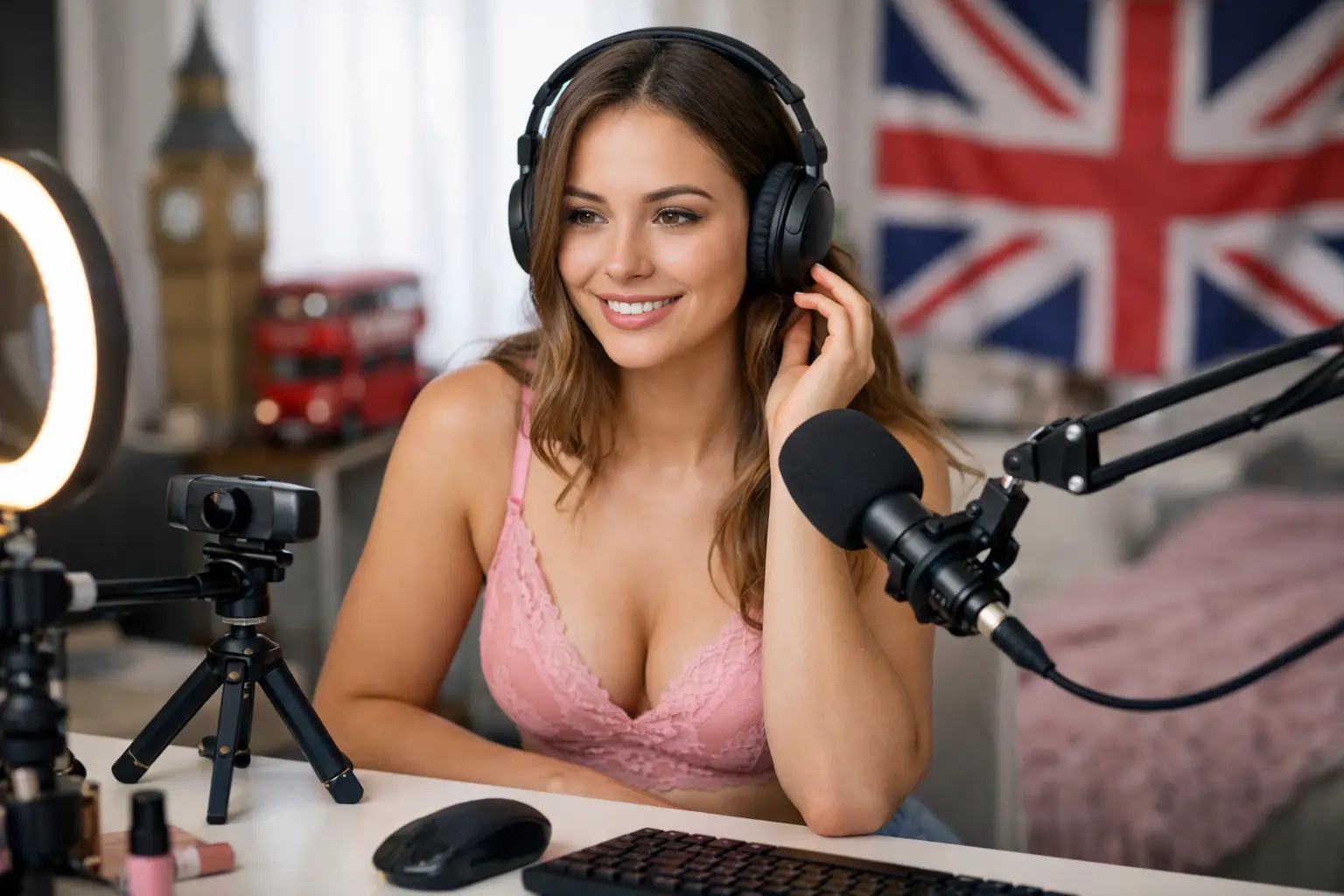
A great cam room does not need to look expensive. It needs to look intentional. Before every show, look at your background as if you were a stranger trying to identify the location.
Remove post, prescription labels, work uniforms, school items, certificates, name badges and anything with an address or recognisable logo. Be careful with windows too. A view of a high street, distinctive building, car registration plate or neighbouring property can reveal more than you think.
Mirrors are another easy mistake. They can reflect doors, family photographs, another screen or parts of your home you did not plan to show. Do a short test recording and watch it back closely. What feels invisible during a live show can stand out immediately on replay.
A simple backdrop, controlled lighting and a dedicated filming corner make privacy easier while giving your room a more professional look. That is good for your confidence, your brand and your earning potential.
4. Separate your devices and accounts
Do not run your model life through the same accounts you use for family group chats, online shopping and your old social media profiles. Where possible, use a separate browser profile or a dedicated device for cam work. Log out of personal accounts before you stream.
Turn off pop-up notifications. One message flashing across a screen can expose a real name, a contact photo or private information. Check screen-sharing settings carefully too. If you use a laptop for shows, set it to show only the tab or window you actively choose, never your full desktop by default.
Use unique, long passwords for every work account and switch on two-factor authentication. An authenticator app is usually safer than relying only on text messages. Your model accounts are income-producing business assets. Treat access to them as seriously as access to your bank account.
It is also worth checking the privacy settings on every linked payment, cloud storage and social account. An old public profile, shared photo album or visible friends list can undo the separation you have worked hard to create.
5. Be smart about location, routines and conversation
Viewers may ask innocent-sounding questions: “What part of the UK are you from?”, “What time do you finish work?”, “Is that rain outside?”, “Where did you go last weekend?” You do not owe anyone a detailed answer.
Build a few playful, confident responses that keep the mood moving without giving away facts. You can say you are keeping your location private, change the subject, or make your stage persona part of the answer. Boundaries do not make you less engaging. They make you more in control.
Be especially careful with live routines. Avoid telling regular viewers when you collect your child from school, when your flat is empty, where you work another job or the exact days you travel. If you want a consistent schedule, share your streaming times without sharing your wider diary.
The same rule applies to photos and videos posted away from cam platforms. Check for location tags before posting. Turn off automatic geotagging on your camera app. A beautiful photo can still reveal a street sign, a gym, a café, a workplace badge or a recognisable local landmark.
6. Protect webcam identity online when you promote
Promotion can grow your audience quickly, but every promotional account should lead back to your creator brand, not your private life. Use your stage name, work email and separate profile images across your public channels. Never connect your creator accounts to personal contacts simply to grow faster.
Think twice before showing your full face everywhere if anonymity matters to you. Some models use a partial-face style, themed lighting, masks, framing or a recognisable look that feels branded without exposing every identifying feature. There is a trade-off here: a visible face can make it easier to build connection and recognition, while a more anonymous style gives stronger privacy. Neither choice is wrong. Choose the level that fits your goals.
Do not accept friend requests, video calls or direct messages from viewers on private accounts. If someone claims they know you offline, stay calm, do not confirm anything and take screenshots. Block and report behaviour that becomes invasive, threatening or persistent.
Search your stage name occasionally to see what is publicly visible. If you find copied content, fake profiles or personal details being shared, document it straight away. Keep screenshots, usernames, dates and platform links for your own records, then report through the platform’s official process. Fast action gives you the best chance of getting harmful content reviewed.
7. Have a privacy plan for problems
Privacy is not only about preventing mistakes. It is also about knowing what to do if something goes wrong. Decide in advance who you would contact if you received threats, lost access to an account or spotted someone sharing your personal information.
Keep your evidence organised. Do not argue with someone who is trying to scare or control you. Block them, report them and escalate serious threats to the relevant platform and police where necessary. If an account has been compromised, change passwords from a secure device and review recovery emails, phone numbers and active logins.
Support matters here. A professional agency should help you understand platform rules, set up profiles properly and make informed choices about your public presence. At Strictly Models, models receive one-to-one support and guidance, because earning well should never mean guessing your way through the business.
Your privacy rules can change as your confidence and career grow. Review them regularly. Maybe you are happy to show your face but not your home. Maybe you want a bigger social following but no location-based content. Set the line, stick to it and make your webcam business work around your life – not the other way round.