Guide to Webcam Model Taxes for UK Earners
You can work when you want, build an income from home and get paid quickly – but your webcam earnings are still taxable. This guide to webcam model taxes is for UK creators who want to keep more of what they earn, avoid nasty surprises and run their cam work like the business it is.
Whether you cam as a side hustle around uni, work full-time from your flat or create content alongside another job, HMRC will expect you to declare taxable profit. The good news? You can claim legitimate business costs, keep your admin simple and stay in control from your very first payout.
Webcam modelling income is usually self-employed income
Most webcam models are self-employed rather than employees. That means you are responsible for reporting your income, working out your expenses and paying the tax due. It does not matter whether you are paid through a cam site, an agency, a payment processor or in another currency. If you earn it through your work, it may need to be included in your tax return.
Being self-employed also gives you flexibility. You choose your hours, the platforms you work on and how seriously you want to grow. But being your own boss means treating your earnings properly. Do not wait until January to wonder where the money went.
If you also have a PAYE job, you can still be self-employed as a webcam model. Your employer handles tax on your wages, while you report your webcam business income separately through Self Assessment.
The £1,000 trading allowance: where beginners should start
If your gross income from self-employment is £1,000 or less in a tax year, the trading allowance may mean you do not need to register for Self Assessment. Gross income means the total you received before platform fees, agency commission or other expenses.
Once your gross webcam income goes over £1,000, you will usually need to tell HMRC and complete a tax return. You can then either claim the £1,000 trading allowance or deduct your actual allowable expenses. You normally choose the option that gives you the better result – but you cannot claim both against the same income.
For many models earning consistently, actual expenses are higher than £1,000. A serious home setup, promotion and a reliable internet connection can all add up. Keep records from day one so you can make the right choice when it is time to file.
Register early and know the key tax dates
The UK tax year runs from 6 April to 5 April. If you start camming during a tax year and need to file, you generally need to register for Self Assessment by 5 October after that tax year ends.
For example, income earned between 6 April 2026 and 5 April 2027 is part of the 2026/27 tax year. If you need to register, do it by 5 October 2027. Online tax returns and any tax due are generally due by 31 January following the end of the tax year.
That date can feel far away when you are focused on hitting your weekly target. It arrives quickly. Put aside money from every payout, rather than trying to find a large lump sum after Christmas.
A sensible starting habit is to move a percentage of every payment into a separate savings account used only for tax. The right percentage depends on your total income, other work and deductible costs, so if your earnings are growing quickly, speak to an accountant who understands self-employment.
What expenses can webcam models claim?
You can usually deduct costs that are wholly and exclusively for your business. In plain English: the expense must genuinely be for earning your webcam income, not simply something you would have bought for personal life anyway.
Common allowable expenses may include:
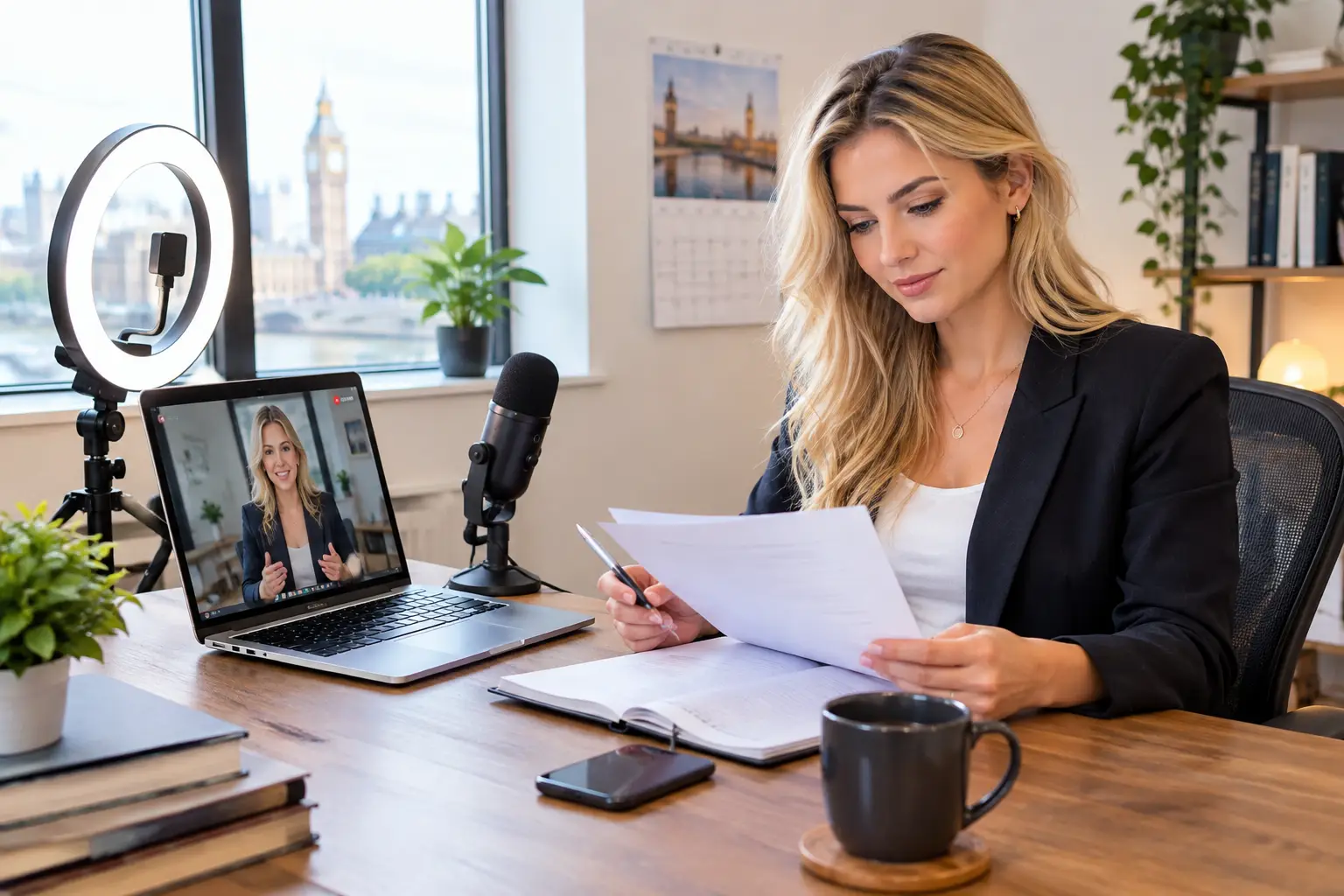
- webcam equipment, lighting, microphones, a computer and other kit used for shows or content creation
- platform fees, agency fees, payment processing charges and currency conversion costs
- a proportion of broadband, mobile use, electricity and heating where you work from home
- advertising, promotional photography, website costs and paid social media promotion
- costumes, props and consumables bought specifically for your performances
- accountancy fees, business software and relevant professional services
There are boundaries. Everyday clothing is normally not an allowable expense, even if you only wear it on cam, because it can be worn outside work. The same goes for ordinary make-up, hair appointments and personal beauty treatments in many cases. Specialist costumes and performance-specific items may be different, but keep receipts and be realistic.
Home-working costs need care too. You cannot claim your entire rent or every household bill just because you work from home. You may be able to claim a fair business proportion, or use HMRC’s simplified expenses method where it suits your situation. If a room is used exclusively for business, get tailored advice before making a claim, as there can be wider implications.
Keep records that make sense
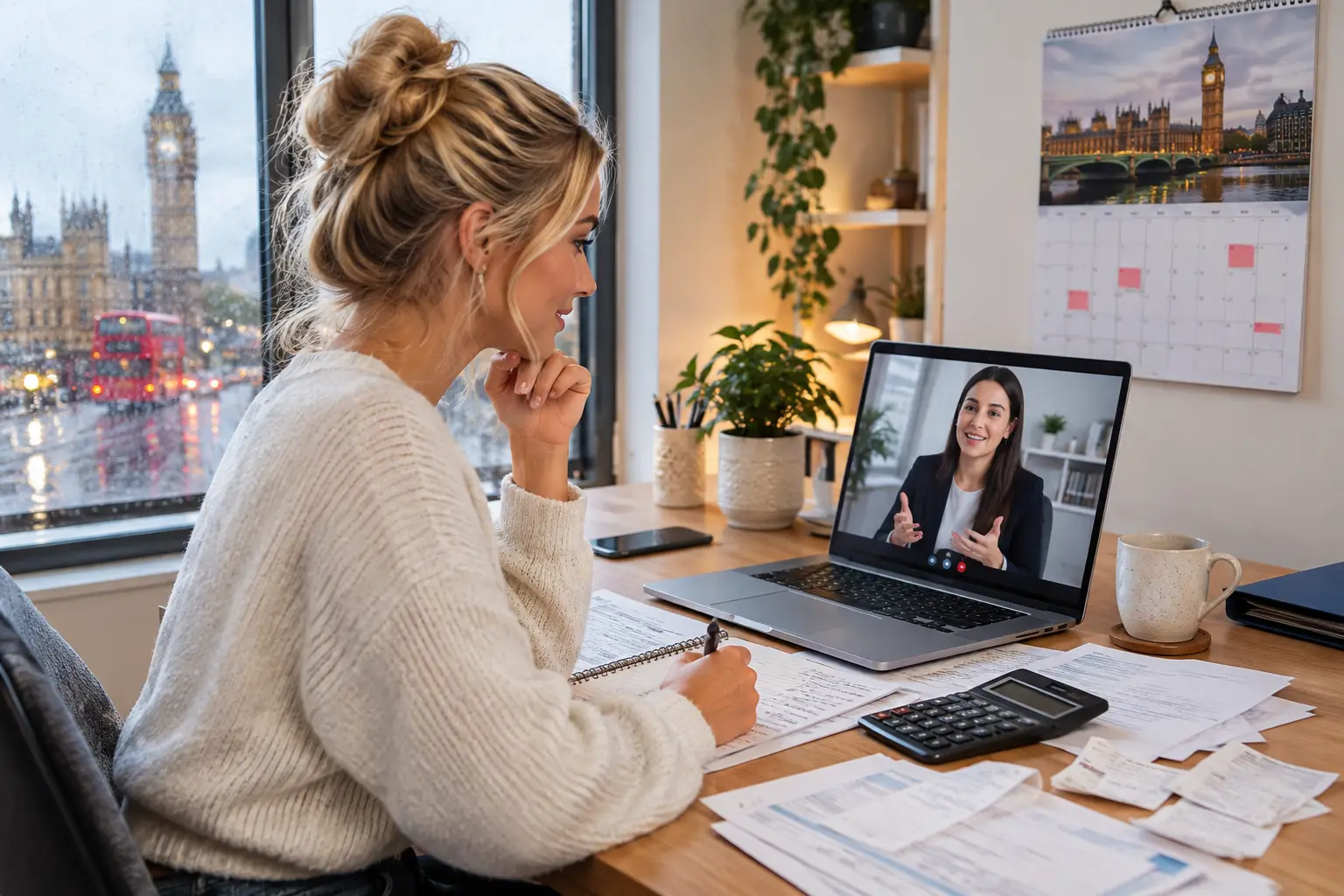
You do not need a finance degree to stay organised. You do need a clear record of what came in, what went out and when it happened. A spreadsheet is enough for many new models, as long as you update it regularly. Accounting software can be worthwhile once you are handling multiple platforms, content sales and bigger monthly figures.
Record each payout in pounds sterling, even if the platform pays in dollars, euros or tokens. Keep payout statements, bank records, invoices, receipts and details of fees taken before you were paid. If a site only shows earnings inside a dashboard, download statements or take secure copies before older data disappears.
Keep your business records for at least five years after the 31 January filing deadline for that tax year. That may sound like a long time, but good records protect you if HMRC asks questions and make it far easier to prove what you spent.
Do not forget payments on account
One of the biggest shocks for new self-employed creators is not the tax return itself. It is payments on account. If your Self Assessment bill is over a certain level and most of your tax has not already been collected through PAYE, HMRC may ask you to pay towards the next tax year in advance.
This usually means a payment by 31 January and another by 31 July. Your first large January bill can therefore include tax for the year just finished plus an advance payment towards the following year.
It is not HMRC charging you twice for the same money, but it can feel heavy if you have spent every payout. This is exactly why saving from each payment matters. If your income drops substantially, you may be able to reduce payments on account, but do not reduce them casually. If you underpay, interest can be charged.
VAT, privacy and overseas platforms
VAT is not something most new models need to worry about immediately. It becomes relevant only if your taxable turnover reaches the VAT registration threshold, which can change, so check the current HMRC figure if your earnings are climbing fast. Overseas platforms can make the VAT position more technical, particularly when services, commissions or digital sales cross borders. Professional advice is worth paying for at that stage.
Your tax return does not need a detailed description of your shows, stage name or personal content. You report business income and expenses. However, use accurate records and do not hide income because a platform is based abroad or pays through a third party. HMRC expects UK residents to report worldwide income in many circumstances.
Privacy matters in this industry. A separate bank account, a professional email address and organised digital folders can make your business admin feel more discreet and far less stressful. They also help you see your real profit, not just the headline amount shown on a platform.
Build tax into your earning plan
Fast payouts are brilliant when bills are due, but the money in your account is not all spendable profit. Platform deductions, business costs and tax are part of the picture. Track them properly and you can set a weekly target based on what you actually keep.
Strictly Models supports creators with the practical side of getting set up and paid, but your personal tax position remains your responsibility. If you are earning regularly, a qualified accountant can help you claim correctly without pushing claims that could cause trouble later.
Treat your tax admin as part of levelling up. Save as you earn, keep every relevant record and ask for advice before the deadline is looming. That leaves you free to focus on building the flexible, profitable cam career you came here for.