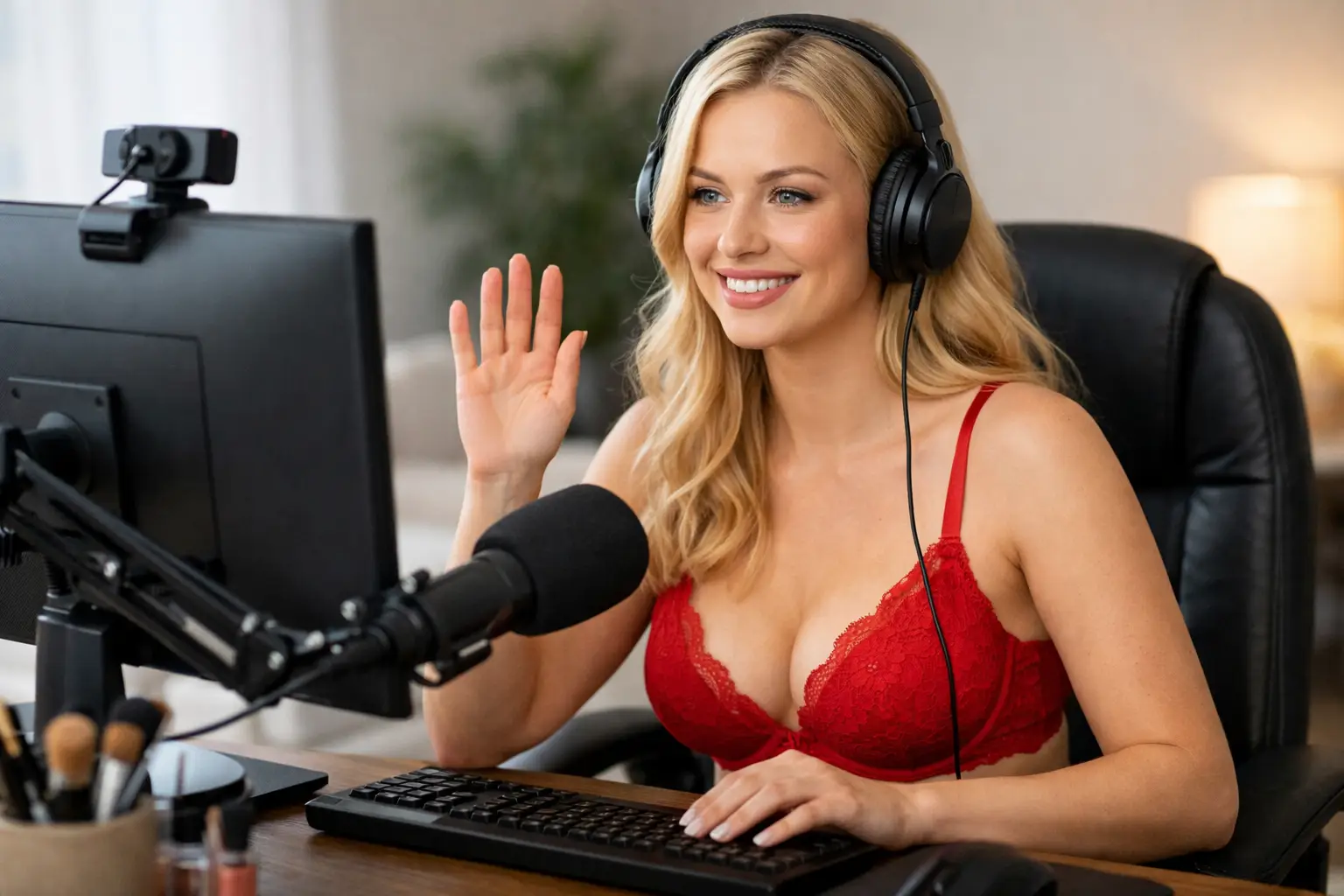

Do Agencies Provide Training for Webcam Models?
Starting webcam work without a plan can mean spending hours online and earning far less than you should. So, do agencies provide training? A proper webcam agency should. Training is not a bonus for beginners – it is part of the support that helps you get set up, feel confident on camera and start building income on your own terms.
The right agency does not simply hand you a login and wish you luck. It should show you how the work operates, help you present yourself professionally and be available when you need a straight answer. You are your own boss, but you should not have to work everything out alone.
Do agencies provide training from day one?
The better agencies provide training from the beginning, usually alongside account setup and onboarding. This matters because your first few sessions can shape how quickly you learn, how comfortable you feel and whether you understand the earning tools available to you.
For a new model, training should begin before your first broadcast. You need clarity on what platform you are using, how payments work, what information is required and how to protect your privacy. You should also understand that webcam modelling is self-employed work. Your results depend on your consistency, availability, presentation, audience connection and the effort you put into building a following.
At Strictly Models, support is designed to be hands-on, with one-to-one guidance, video tutorials and access to a personal mentor. That means you can ask questions as they come up rather than guessing your way through the early stages.
What webcam model training should actually cover
Training should be practical. A vague message telling you to “be confident” will not help you organise a profile, choose working hours or understand what makes viewers return. Good support gives you a starting structure, then helps you make it your own.
Profile setup and first impressions
Your profile is your shop window. Agency training should cover your profile image, biography, room title, tags and the basic settings that affect how viewers find you. You do not need to copy anyone else’s style. The goal is to create a clear, attractive profile that matches the type of audience you want to build.
You should also receive guidance on setting boundaries. Decide what you are comfortable offering before you go live. Being prepared makes it easier to stay in control when viewers make requests, and it stops you from agreeing to things in the moment that do not suit you.
How to use the platform properly
Every webcam platform has its own features, rules and payment systems. Training should explain the essentials in plain English: how to go live, manage chat, use private sessions where available, set your rates and check your earnings.
It should also cover the small details that save time. Learn where your notifications are, how to block or report users, how to manage your availability and what to do if a technical issue interrupts a session. These are not glamorous subjects, but they protect your time and make work less stressful.
Confidence on camera without pretending to be someone else
Many beginners worry that they need to look or act like an established model from their first day. You do not. The strongest online performers tend to be recognisable, consistent and comfortable in their own style.
Training can help you find a workable format for your shows. That might mean learning how to greet new viewers, keep conversation moving, set a positive mood and encourage regulars to return. It can also help you understand the value of showing up consistently. A few focused sessions each week can be more useful than logging on at random whenever you feel like it.
Earning strategy and promotion
A serious agency should talk about earnings honestly. There is no fixed wage in webcam modelling, and nobody can promise you a certain amount every week. Your earning potential can be significant, but it is affected by your hours, platform, audience, confidence, schedule and how well you use the available tools.
Training should explain how to set realistic short-term goals, monitor what is working and improve over time. If evening sessions bring more viewers, you may choose to prioritise them. If a certain style of show creates better engagement, use that insight. Agencies can also assist with promotion and placement on major networks, helping you access more traffic than you may find alone.
Training is not just for complete beginners
Experienced models benefit from agency support too. If you have already cammed independently, the question is not whether you need someone to tell you how to switch on a camera. It is whether an agency can help you earn more efficiently.
That may mean better platform access, stronger promotion, help with admin, faster payment handling or a second opinion on your profile and schedule. An experienced model may also want to branch into digital content or other creator income streams. In that case, training becomes less about the basics and more about building a recognisable brand and making smarter commercial decisions.
A good mentor should not force every model into one formula. What works for a full-time performer may not work for a parent fitting sessions around school hours, a student with changing timetables or someone building a part-time side income. Flexibility is one of the biggest advantages of webcam work, so your strategy should fit your life.
The support that matters after training
One tutorial is not ongoing support. Webcam work changes as you gain confidence, build regular viewers and face new situations. That is why access to a real person matters.
Look for an agency that can answer questions quickly, particularly around account issues, platform rules, payment queries and safety concerns. WhatsApp support or direct mentor contact can make a major difference when you need help during a working day rather than days later.
Payment administration is another practical benefit. If you are working to improve your cash flow, knowing when and how you will be paid matters. Ask clear questions before joining: what is the commission rate, when are payouts processed, are there any thresholds, and what documents do you need? A professional agency will answer directly.
Questions to ask before you join an agency
Do not sign up purely because an agency promises huge figures. Big earning claims may catch your attention, but the day-to-day support is what helps you turn effort into progress. Ask whether training is one-to-one or generic, whether you can contact a mentor, and whether you receive help setting up your profile and understanding the platforms.
You should also ask how the agency earns its commission, whether you remain free to choose your own hours and what support is available if you are completely new. The answers will tell you whether you are joining a genuine support network or simply being added to a list.
Privacy deserves the same attention. A responsible agency should explain how to work safely, manage your personal information and stay within platform rules. You control your boundaries, your schedule and the way you work. Training should reinforce that control, not take it away.
Make training work for you
The most useful training only works if you put it into practice. Watch the tutorials, ask the questions, test a regular schedule and pay attention to what your viewers respond to. Do not expect perfection from your first show. Every successful model had a first session, learned what felt natural and improved by turning up again.
If you want flexible work, the chance to earn from home and the freedom to choose your own hours, agency training can remove a lot of the uncertainty. Choose support that gives you real guidance, clear payment information and the confidence to build your own path – then give yourself permission to start.