Home Camming Versus Studio Work: Which Pays?
The biggest decision is not whether you can make money on cam. It is where you will work best when nobody is setting your shifts, managing your space, or pushing you to stay online. Home camming versus studio work comes down to control, privacy, costs, support and the working routine you can genuinely maintain.
Both routes can work for adults aged 18+ who want flexible income. Neither is automatically better. A home setup can give you more freedom and a stronger long-term brand, while a studio can provide structure, equipment and a ready-made environment. The right choice is the one that gives you the best chance of showing up consistently, protecting your boundaries and keeping more of what you earn.
Home camming versus studio work: the real difference
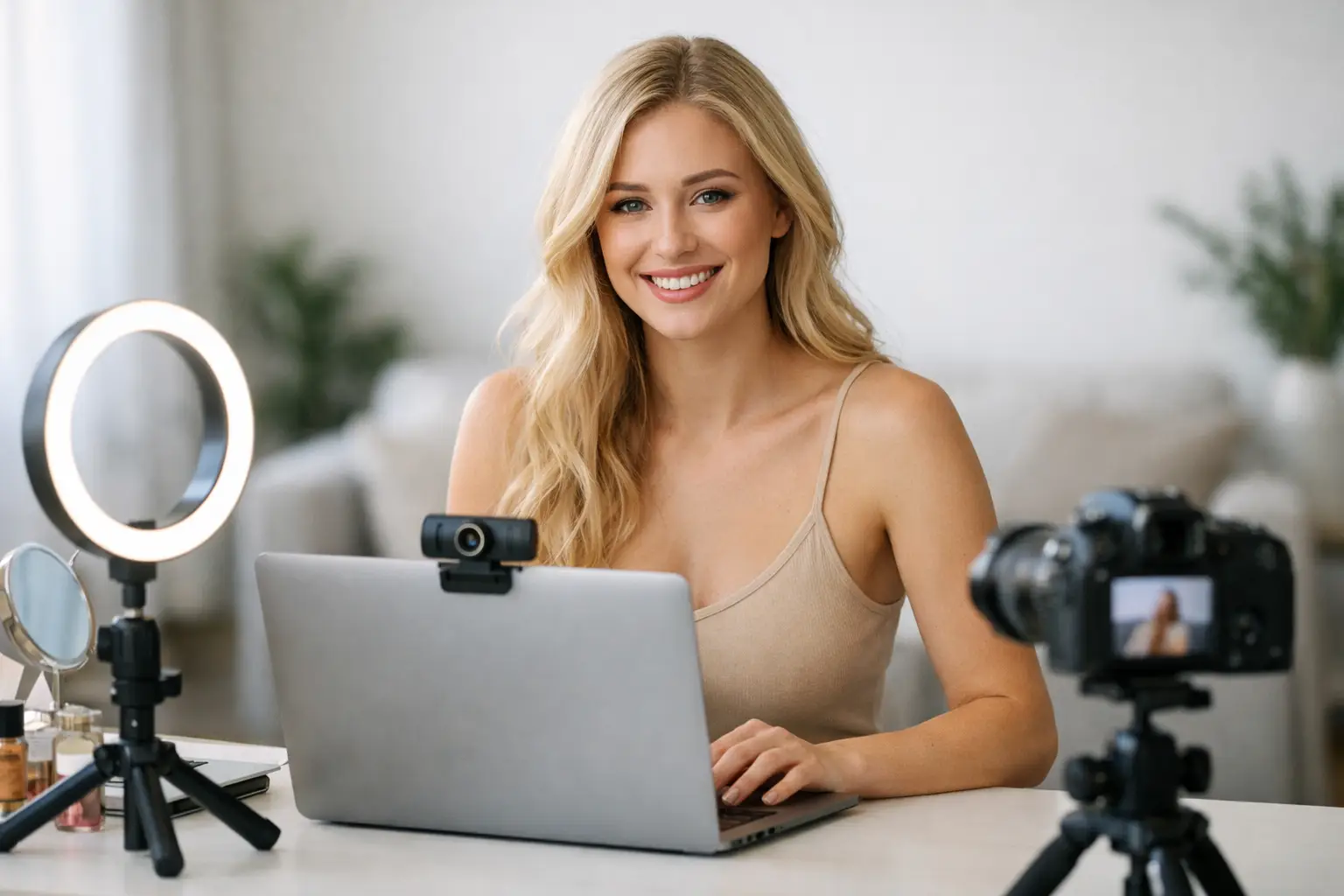
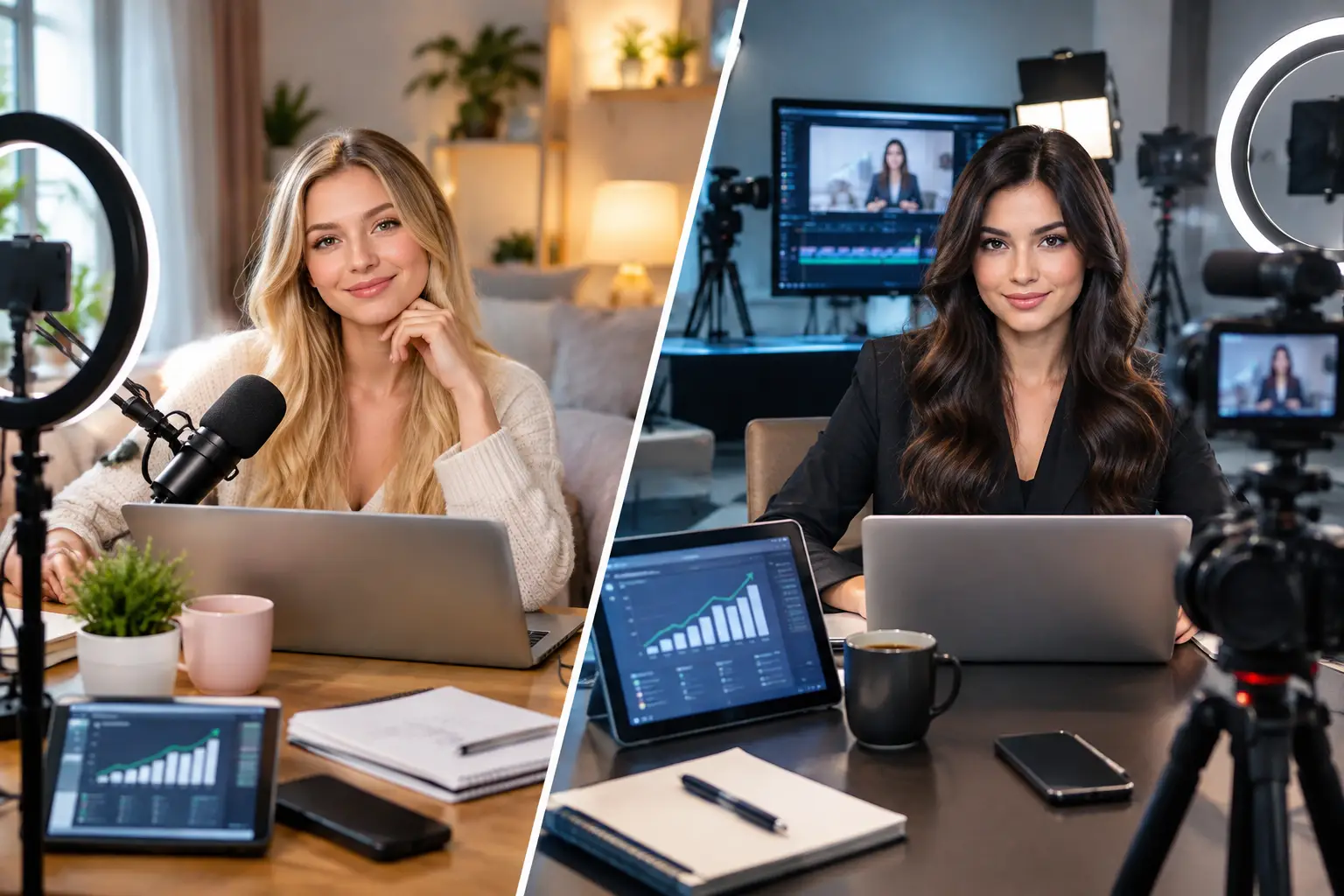
Home camming means broadcasting from a private space you organise yourself, using your own equipment and working around your own schedule. You decide when to log on, how your room looks, what style of content suits you and when your working day ends. For students, parents, shift workers and anyone building a side income, that control can be a major advantage.
Studio work means operating from a dedicated premises, usually with equipment, a prepared room and people nearby to help with technical issues or account administration. Some studios offer scheduled shifts; others are more flexible. It can remove many early barriers, particularly if you do not have a suitable private room or the confidence to set everything up alone.
The important question is not which route sounds easier. Ask which one fits your life, your home situation and your earning goals. Flexibility is valuable, but so is a professional space where you can focus.
Why home camming appeals to ambitious creators
At home, you are your own boss in the fullest sense. You can work mornings before another job, fit sessions around childcare, choose late-night hours, or build a reliable weekly schedule without travelling to a studio. There is no commute, no waiting for a room and no need to work when you do not feel your best.
You also have more creative control. Your lighting, background, outfits, music and on-camera personality can feel more personal when the space is yours. Over time, that consistency can help viewers recognise your style and return for it. If you are serious about growing across camming and creator platforms, owning your presentation matters.
Home work may also mean a better share of income, depending on the platform or agency arrangement. However, do not look at commission alone. A higher split is only valuable if you have the tools, traffic support, training and discipline to turn your time online into earnings. The headline percentage never tells the whole story.
The other major attraction is privacy from a workplace environment. Some people prefer not to enter a studio at all. They want a discreet income stream that fits around their existing life, with the freedom to keep their work separate from the rest of their routine.
The costs of working from home
Freedom comes with responsibility. You need a reliable internet connection, a private room, decent lighting, a capable device and a webcam that produces a clear image. You do not need to spend a fortune on day one, but poor sound, weak lighting and constant interruptions can affect both your confidence and viewer experience.
More importantly, you need boundaries. Flatmates, partners, children, neighbours and unexpected deliveries can make a home setup difficult. You must be able to work without being overheard or interrupted, and you should never show identifying details such as post, family photographs, street views or documents in the background.
Home work can also feel isolating. When a quiet shift happens, there is no colleague nearby to encourage you, troubleshoot a technical problem or help you reset your mindset. The most successful home models create a routine: prepare the room, set a realistic shift length, track results and log off properly afterwards.
What studio work can offer
A good studio offers immediate structure. The room is ready, the internet is built for broadcasting and the equipment may already be in place. For a complete beginner, walking into a professional setup can feel far less intimidating than trying to turn a bedroom into a workspace with no guidance.
Studios can be particularly useful if your home is not private, your broadband is unreliable, or you simply do better when work happens outside the house. A dedicated location can create a mental switch: you arrive, focus on earning, then leave work behind at the end of the shift.
There can also be more hands-on help. Technical assistance, onboarding, profile setup and basic coaching are valuable when you are new. The quality varies massively, though. Some studios genuinely develop their models; others focus only on filling rooms and taking a large cut. Always understand what support is included before agreeing to anything.
The trade-offs of studio work
The main compromise is control. You may need to book slots, travel at set times, follow house rules or work around room availability. That may suit someone who wants routine, but it can be frustrating if flexibility is your priority.
Your earning split may also be lower because the studio is paying for premises, equipment, staff and promotion. Again, that is not automatically a bad deal. If the studio brings stronger traffic, better support and helps you earn more in fewer hours, the numbers may still work in your favour. Compare the actual take-home amount, not just the percentage advertised.
Privacy needs careful thought too. A reputable studio should respect confidentiality, have clear security procedures and never pressure you to work beyond your agreed boundaries. You should know who has access to your information, how your content is handled and what happens if you decide to leave.
Earnings: focus on take-home, not promises
Camming income changes with your hours, consistency, platform, presentation, audience relationship and willingness to learn. Some models use it for extra spending money; others build a serious full-time income. There is no guaranteed weekly figure, and anybody promising instant riches without explaining the work involved is selling a fantasy.
When comparing home and studio options, calculate your real position after every deduction. Include commission, travel, equipment, broadband, promotion, payment timing and any fees. A studio shift that looks profitable can lose value after regular travel costs. A home setup can appear cheap until you factor in upgrading equipment and creating a private, professional-looking space.
Fast, clear payment matters as much as the figure on screen. Cash flow is a real issue when you are paying bills or relying on camming as part of your income. Look for transparent payment terms, accurate reporting and support that answers questions quickly rather than leaving you chasing an admin team.
Support is not just for beginners
New models benefit from someone explaining profile setup, platform rules, scheduling, room presentation and how to build confidence on camera. But experienced creators need support too. Better promotion, account strategy, content planning and help with administration can free up more time to earn.
That is where an agency-supported home route can be a strong middle ground. You keep the flexibility and ownership of working from home, while gaining practical guidance instead of trying to figure out every platform alone. Strictly Models supports creators with onboarding, training, promotion and payment administration, so home working does not have to mean working unsupported.
The key is to ask direct questions before committing. What commission do you keep? When are payments made? Is there a contract or notice period? Can you use other platforms? What training is available? A professional business will answer clearly and never make you feel awkward for asking.
Choose the setup that protects your momentum
Choose home camming if you have a private, reliable space and want maximum control over your hours, image and routine. It is ideal for people who are self-motivated, value discretion and want to fit work around real-life commitments.
Choose studio work if you need equipment, a professional environment or the discipline of a separate workplace. It can be the right first step when home is unsuitable, especially if the studio is transparent, respectful and genuinely invested in your progress.
You do not need to choose based on fear. Start by being honest about your space, schedule, privacy and financial target. The best route is the one you can work confidently, consistently and on your own terms – because consistency is where earning potential starts to grow.